 Spider crane,knuckle boom crane,Marine crane
How to Select the Right Spider Crane for Your Lifting Projects
69Spider Crane
View detailsSearch the whole station Marine cranes PRODUCTS
An Aerial Work Platform (AWP) is a mechanical device used to temporarily elevate personnel, tools, and materials to reach overhead worksites. AWPs offer a safer and more efficient alternative to ladders or scaffolding for many tasks at height.
Common Types of AWPs
Typical Applications
AWPs are found in construction, facility maintenance, warehousing, film production, and emergency services. Common tasks include installing lighting or HVAC systems, painting high walls, window cleaning, electrical repairs, and pruning trees.
Using the correct AWP for a specific job helps workers complete tasks from a stable, secure platform, reducing risks associated with unstable ladders or temporary scaffolding.
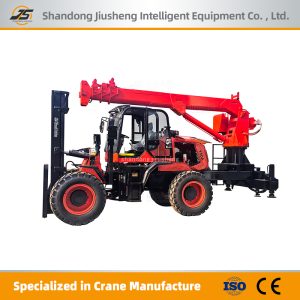
forklift is one of the common pieces of equipment in warehouses, factories, and construction sites. However, standard forks have a limitation — they can only lift loads from underneath. When it co...
View details
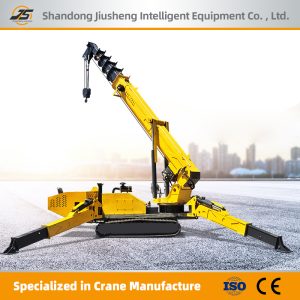
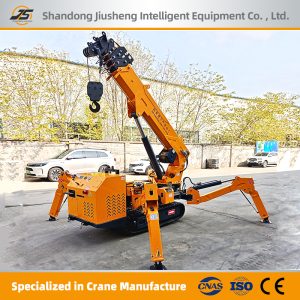
Spider cranes, also known as mini crawler cranes, are compact lifting machines distinguished by their four independently adjustable outriggers that resemble a spider’s legs. Their core advantages ...
View details