Articulating Cranes Help Logistics and Utility Fleets Do More With Less
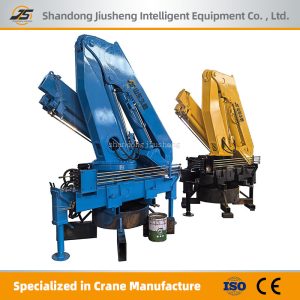
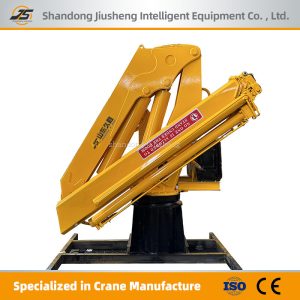
Articulating cranes, widely known as knuckle boom cranes, are gaining attention among logistics operators, utility fleets and service providers for their ability to combine transport and lifting work in one vehicle. Mounted on trucks or trailers, these cranes feature a folding boom with jointed sections that can be positioned precisely around obstacles. The result is a flexible lifting tool that can load, unload and handle materials without requiring a separate crane on site.
In logistics and distribution, knuckle boom cranes are used to lift palletized goods, building materials, generators and heavy equipment directly from a truck to a delivery point. This is particularly useful in locations without loading docks or forklifts. Utility and telecommunications crews use them for installing equipment, handling poles and performing maintenance in areas with limited access. Landscaping, mining and emergency response teams also use articulating cranes for tasks that require reach and controlled placement.
The advantages center on efficiency and flexibility. Because the crane is mounted on the transport vehicle, operators can carry and lift loads with one unit, reducing the number of machines and personnel needed on site. The folding boom allows the crane to remain compact during travel and unfold into a working position quickly. Multiple articulation points enable precise load placement in confined spaces, over walls or around structural obstacles. A range of attachments—including grapples, winches, baskets and augers—further extends the crane’s usefulness.
Modern articulating cranes also offer improved safety and control through features such as overload protection, stability monitoring, remote controls and ergonomic operator stations. For fleets, these advantages can translate into fewer trips, faster job completion and better use of vehicles. As operators look for ways to reduce equipment costs and improve site flexibility, the knuckle boom crane is becoming a valuable tool for both logistics and utility work.
 Spider crane,knuckle boom crane,Marine crane