 Spider crane,knuckle boom crane,Marine crane
Core Advantages of Crawler spider Cranes – Stability, Versatility, and Efficiency
91Crawler spider Crane
View detailsSearch the whole station Marine cranes PRODUCTS
In the construction and engineering industries, the demand for efficient, versatile, and compact lifting solutions is ever-increasing. Among the innovative equipment that meets these criteria, spider cranes have emerged as a game-changer. These unique cranes are designed to provide exceptional lifting capabilities in confined spaces, making them an essential tool for various applications. In this article, we will explore the technical features, use cases, and performance benefits of spider cranes, positioning them as a vital asset for international B2B buyers.
What is a Spider Crane?
A spider crane, also known as a mini crane or spider lift, is a type of mobile crane characterized by its compact size and unique leg design. Unlike traditional cranes, spider cranes have four outriggers that resemble spider legs, allowing them to stabilize on uneven terrain and navigate through tight spaces. These cranes typically have a low overall weight, making them suitable for indoor and outdoor use on various surfaces, including pavement and soft ground.
Technical Features of Spider Cranes
Spider cranes are equipped with several advanced technical features that enhance their performance and versatility:
Compact Design: The lightweight and foldable design of spider cranes allows them to be easily transported and maneuvered in confined spaces, such as residential areas and urban construction sites.
High Lifting Capacity: Despite their small size, spider cranes can lift substantial weights, often ranging from 1 to 10 tons, depending on the model, making them suitable for various lifting tasks.
360-Degree Rotation: Many spider cranes offer full 360-degree rotation, allowing operators to position loads accurately without repositioning the crane itself.
Remote Control Operation: Modern spider cranes come with remote control capabilities, enabling operators to manage lifts safely from a distance, enhancing safety and precision.
Versatile Outrigger Configuration: The adjustable outriggers allow for flexible setup and stabilization on uneven ground, which is crucial in job sites where terrain may vary.
Applications of Spider Cranes
The versatility of spider cranes makes them suitable for a wide range of applications across various industries:
Spider cranes are extensively used in construction sites for lifting materials to elevated heights. Their compact size allows them to operate in tight spaces, such as inside buildings under renovation or on scaffolding. They are also invaluable for building maintenance tasks, such as window installation and façade repairs.
In the event management industry, spider cranes play a crucial role in setting up stages, lighting rigs, and other equipment. Their ability to navigate through crowded venues and lift heavy equipment safely makes them a preferred choice for event planners.
Spider cranes are also utilized in various industrial sectors, including manufacturing and warehousing. They can efficiently lift heavy machinery, equipment, or raw materials in locations where traditional cranes cannot fit.
Performance Benefits of Spider Cranes
Investing in a spider crane offers several significant performance benefits for businesses:
Increased Productivity: The ability to operate in confined spaces without compromising on lifting capacity leads to enhanced efficiency and productivity on job sites.
Cost-Effectiveness: By eliminating the need for additional rigging equipment or extensive setup, spider cranes reduce labor costs and project timelines.
Safety Features: Advanced safety features, such as overload protection and remote operation, minimize risks to operators and surrounding personnel, creating a safer work environment.
Reduced Environmental Impact: The compact design and lower operational footprint of spider cranes contribute to reduced land disturbance and lower emissions, aligning with sustainability goals.
Materials and Production Processes
Spider cranes are typically manufactured from high-strength steel and aluminum alloys, providing a robust structure while maintaining a lightweight design. The production process involves precision engineering techniques that ensure each component meets strict safety and performance standards. Manufacturers often employ advanced welding, machining, and surface treatment processes to enhance durability and resistance to corrosion, ensuring that spider cranes can withstand harsh working conditions.
Market Trends and Future Outlook
The market for spider cranes is experiencing significant growth driven by several trends:
Increased Urbanization: As urban areas expand, the need for compact lifting solutions that can operate in limited spaces is on the rise.
Technological Advancements: Innovations in crane technology, including improved automation and remote control capabilities, are enhancing the functionality and appeal of spider cranes.
Focus on Sustainability: The construction industry is increasingly prioritizing sustainable practices, and the efficiency of spider cranes aligns well with these goals.
Conclusion
Spider cranes represent the future of compact lifting solutions, combining advanced technology and versatile performance to meet the demands of modern construction and industrial applications. For international B2B buyers seeking efficient, reliable, and safe lifting equipment, spider cranes offer a compelling option. By understanding their technical features, applications, and market trends, businesses can make informed purchasing decisions that enhance productivity and sustainability in their operations.
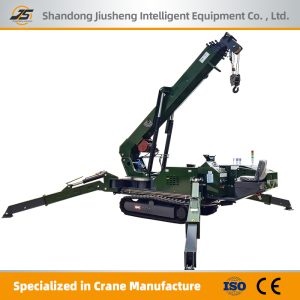
Crawler spider Crane
View details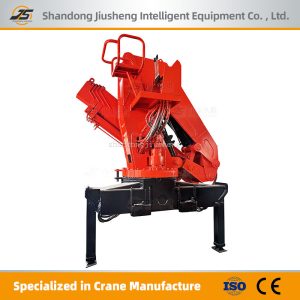
Knuckle Boom Crane
View details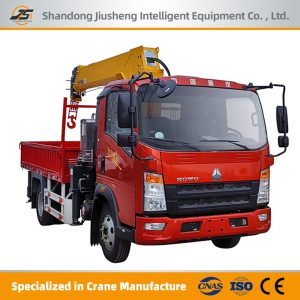
Heavy Duty 5t 8t 10t Truck Crane with Telescopic Hydraulic Boom
View details
A spider crane is a specialized type of crane known for its compact size and intricate structure, resembling a spider in shape. It typically employs a tracked undercarriage and is equipped with ex...
View details