 Spider crane,knuckle boom crane,Marine crane
Introduction to Spider Cranes
110Spider cranes, also known as mini crawler cranes, are compact lifting machines distinguished by their four independently adjustable outriggers that resemble a spider’s legs. Their core advantages ...
View detailsSearch the whole station Marine cranes PRODUCTS
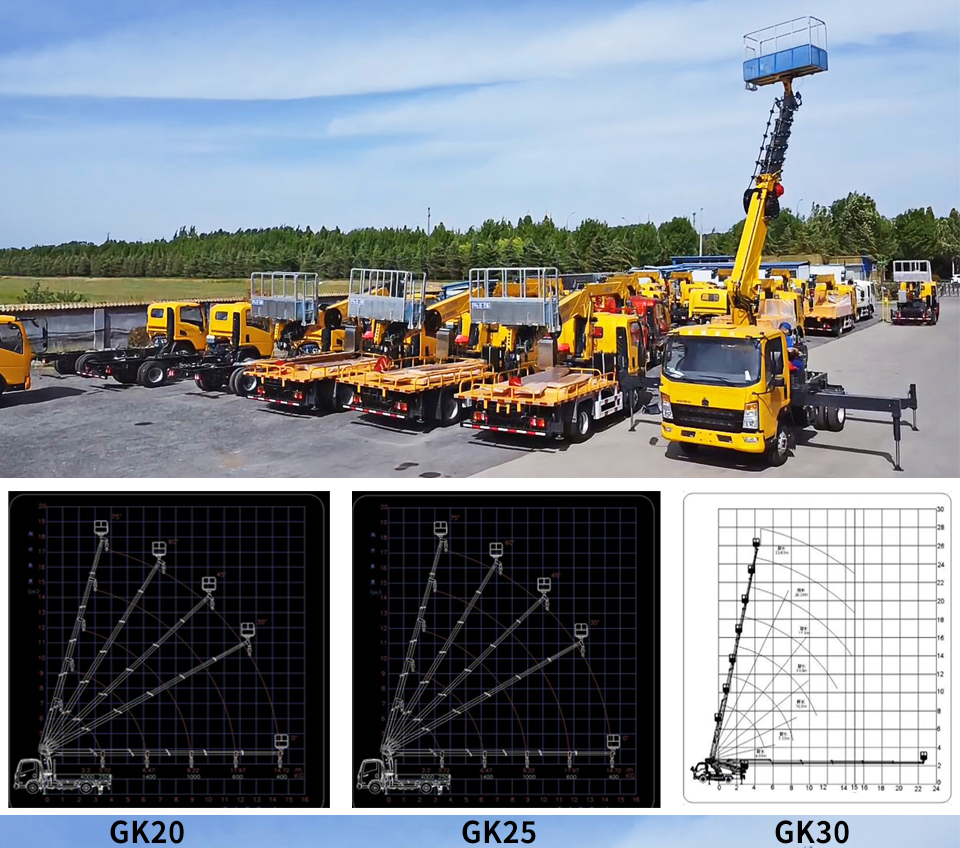
Aerial work platforms (AWPs) are increasingly used for tree trimming due to their efficiency, safety, and flexibility. They have become essential tools in modern urban landscaping, municipal management, and utility line maintenance. Below are the key applications and advantages:
表格
| Advantage | Description |
|---|---|
| High Safety | Equipped with guardrails, anti-slip flooring, and emergency stop systems to significantly reduce fall risks. |
| High Efficiency | Features quick lifting, extending, and rotating capabilities, with working heights often exceeding 30 meters. |
| Strong Mobility | Most AWPs are vehicle-mounted, enabling fast relocation and adaptability to complex urban environments. |
| Precise Control | Hydraulic or remote-controlled systems allow fine adjustments for detailed pruning. |
| Reduced Labor Dependency | Typically requires only 2–3 personnel, lowering labor costs and physical strain. |

Spider cranes, also known as mini crawler cranes, are compact lifting machines distinguished by their four independently adjustable outriggers that resemble a spider’s legs. Their core advantages ...
View details
A spider crane is a compact, miniaturized crawler crane designed with articulated outriggers that resemble a spider's legs. Its lightweight and narrow body allow it to fit through standard doorway...
View details
Compared to traditional elevated work equipment such as scaffolding and ladders, truck-mounted aerial work platforms offer numerous advantages: High Mobility: Integrated with a truck chassis, ...
View details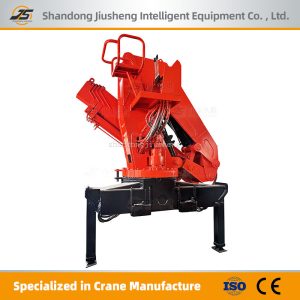
Knuckle Boom Crane
View details