 Spider crane,knuckle boom crane,Marine crane
Advantages of Forklift Tail Crane
114Cost-effectiveness: One of the most significant advantages of a forklift tail crane is its economical nature. Instead of purchasing or renting expensive dedicated cranes or hoists to supplement t...
View detailsSearch the whole station Marine cranes PRODUCTS
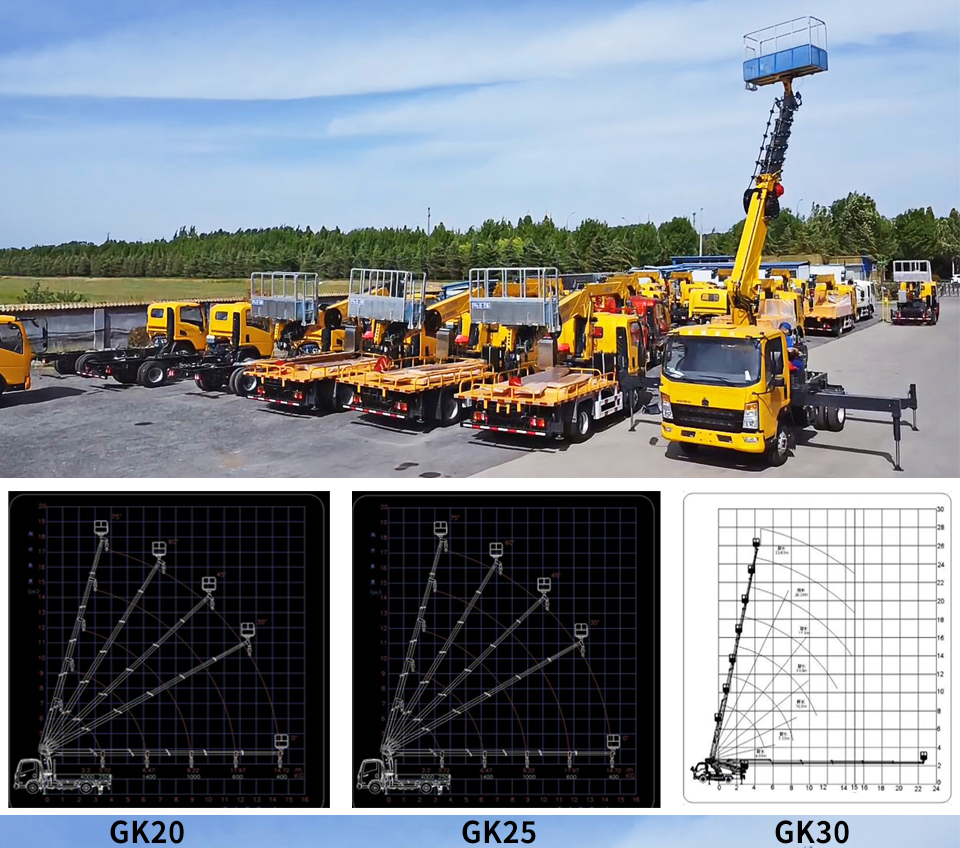
Aerial work platforms (AWPs) are increasingly used for tree trimming due to their efficiency, safety, and flexibility. They have become essential tools in modern urban landscaping, municipal management, and utility line maintenance. Below are the key applications and advantages:
表格
| Advantage | Description |
|---|---|
| High Safety | Equipped with guardrails, anti-slip flooring, and emergency stop systems to significantly reduce fall risks. |
| High Efficiency | Features quick lifting, extending, and rotating capabilities, with working heights often exceeding 30 meters. |
| Strong Mobility | Most AWPs are vehicle-mounted, enabling fast relocation and adaptability to complex urban environments. |
| Precise Control | Hydraulic or remote-controlled systems allow fine adjustments for detailed pruning. |
| Reduced Labor Dependency | Typically requires only 2–3 personnel, lowering labor costs and physical strain. |

Cost-effectiveness: One of the most significant advantages of a forklift tail crane is its economical nature. Instead of purchasing or renting expensive dedicated cranes or hoists to supplement t...
View details
Operating an Aerial Work Platform requires proper training and adherence to safety guidelines. While AWPs improve access to height, they still involve risks such as tip-overs, falls, or collisions...
View details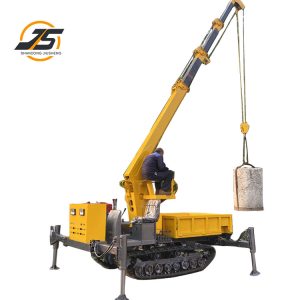
Where can small crawler cranes be usedIn the lifting equipment, we call the crane that walks on the crawler device on the crawler chassis, the lifting operation part mounted on the c...
View details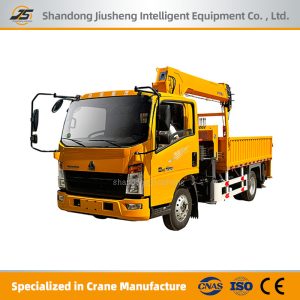
Heavy Duty 5t 8t 10t Truck Crane with Telescopic Hydraulic Boom
View details