 Spider crane,knuckle boom crane,Marine crane
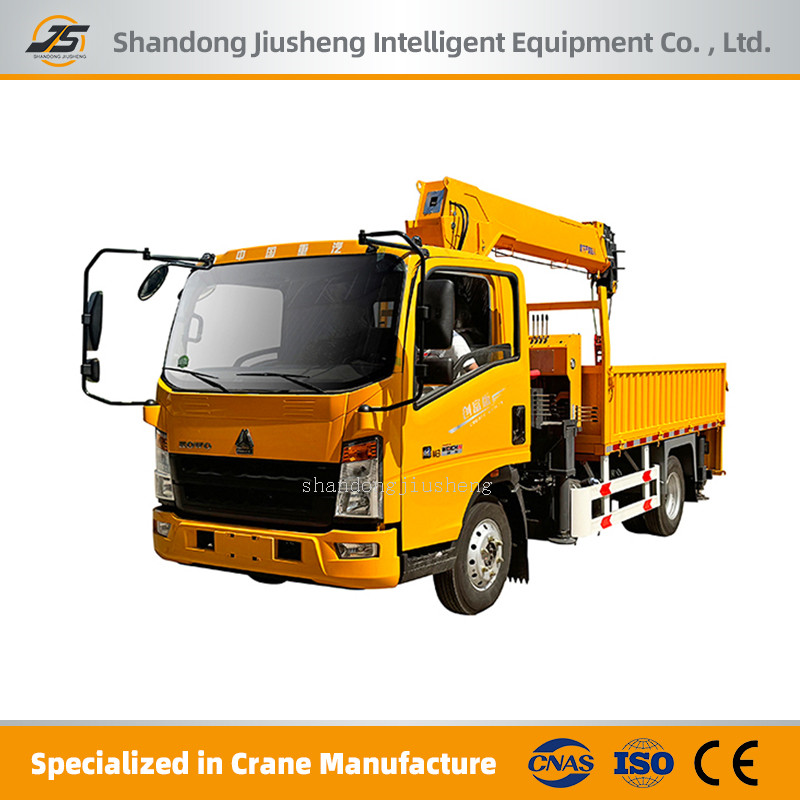
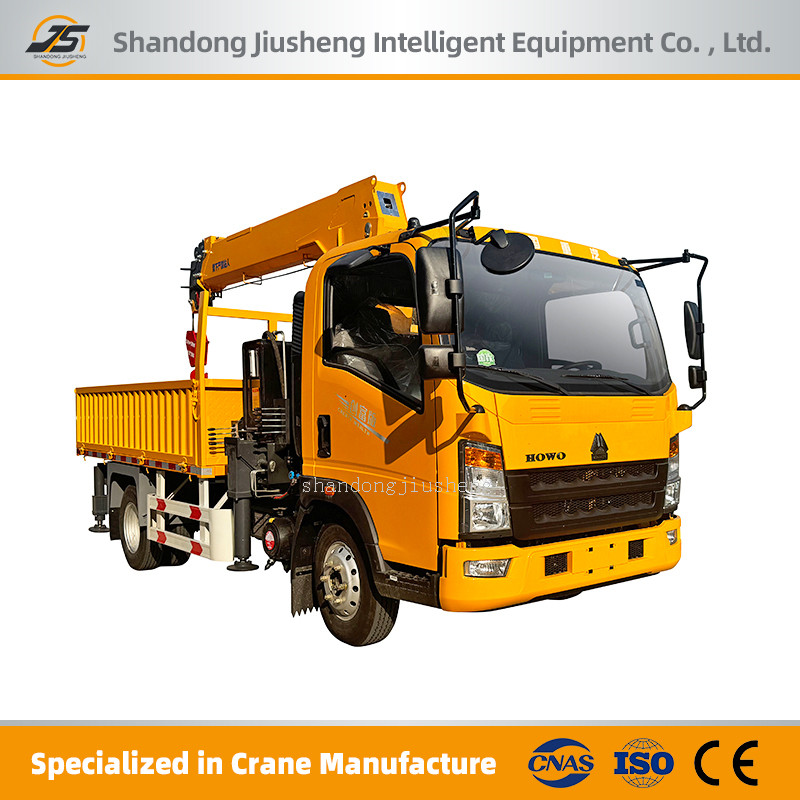
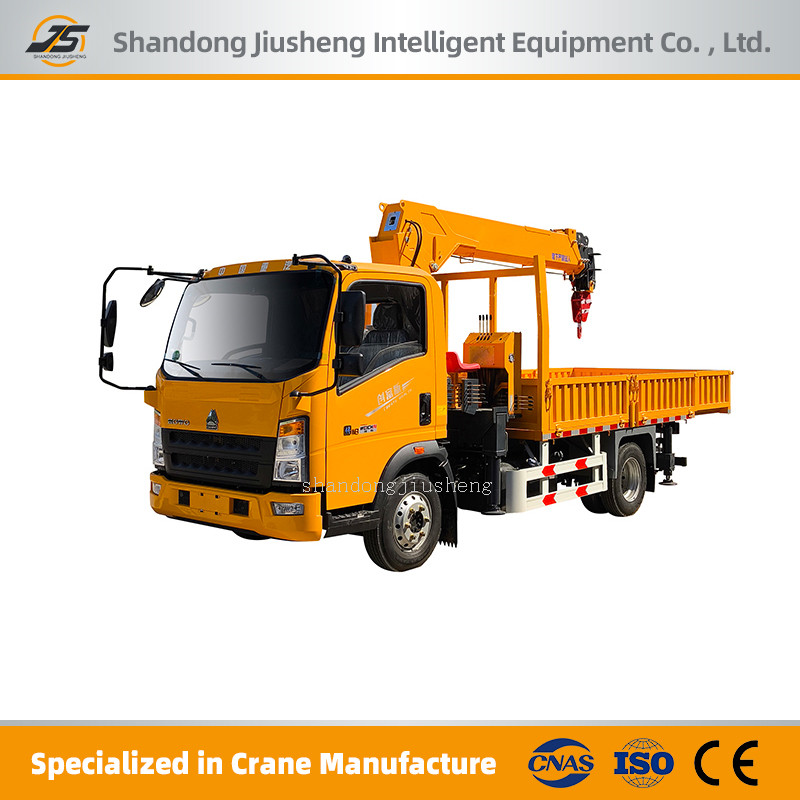
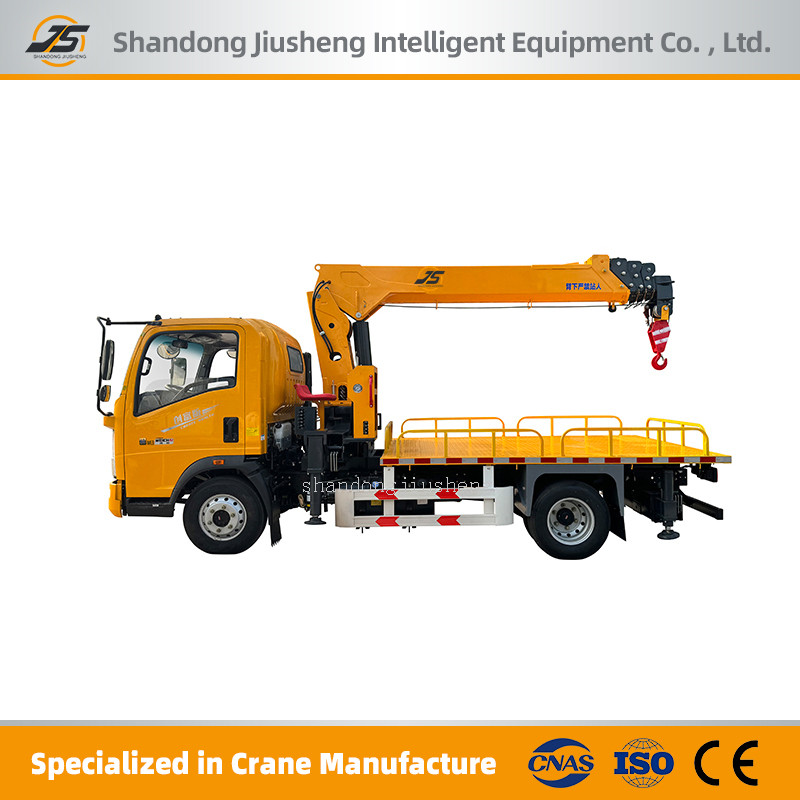
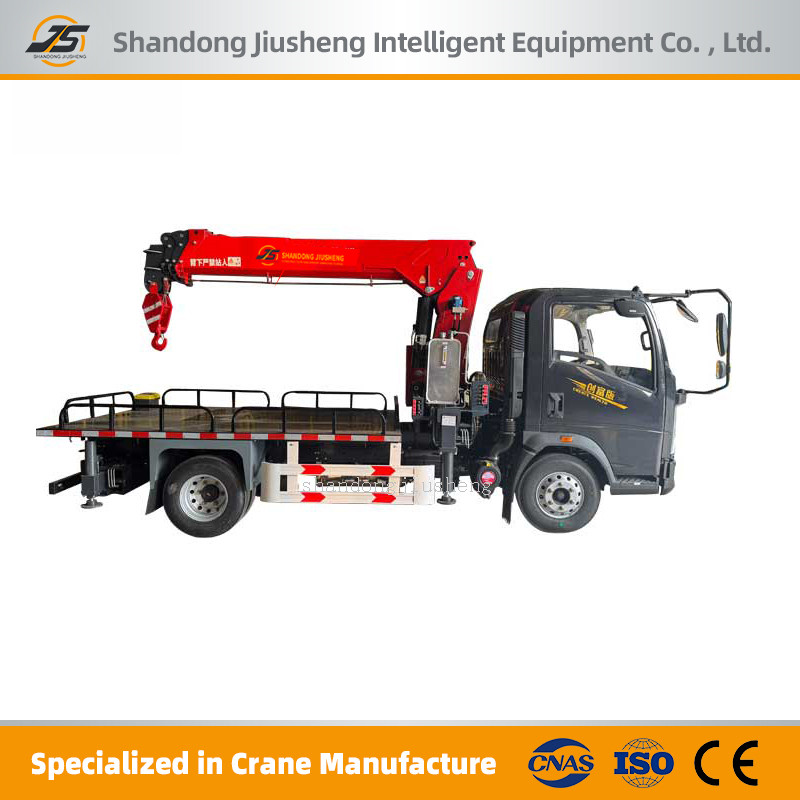
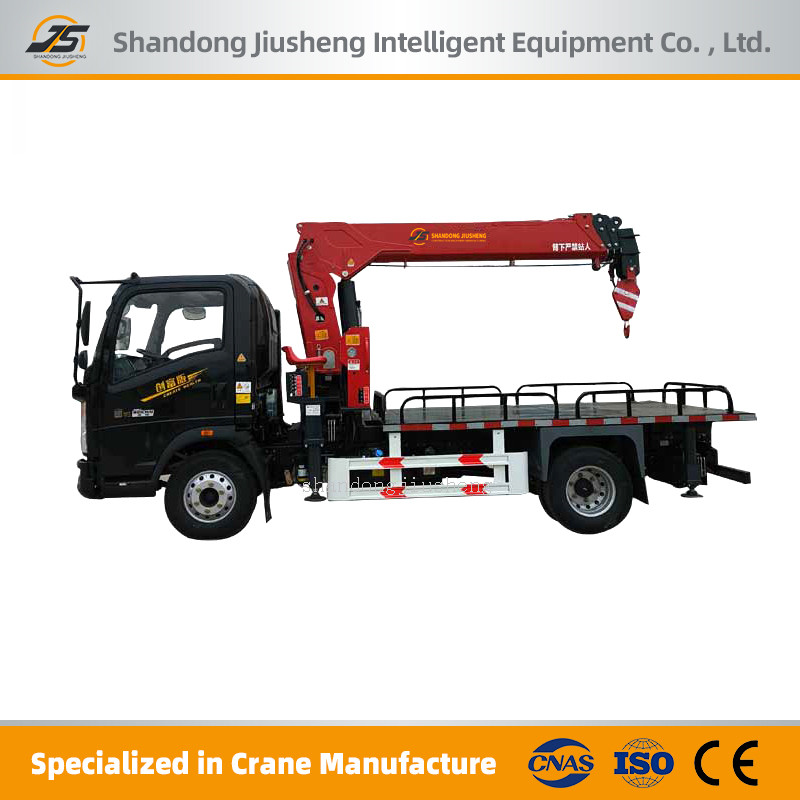
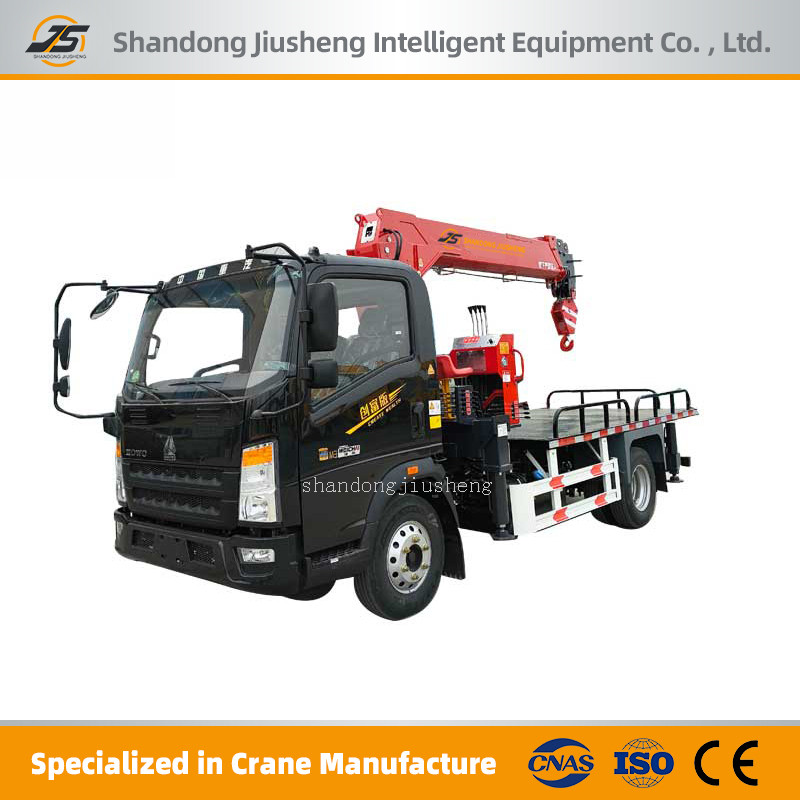
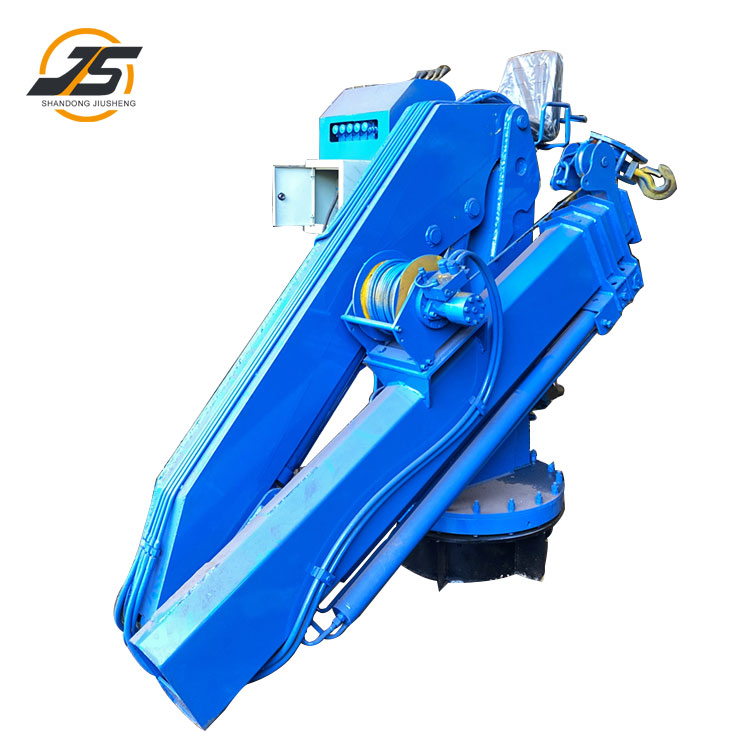
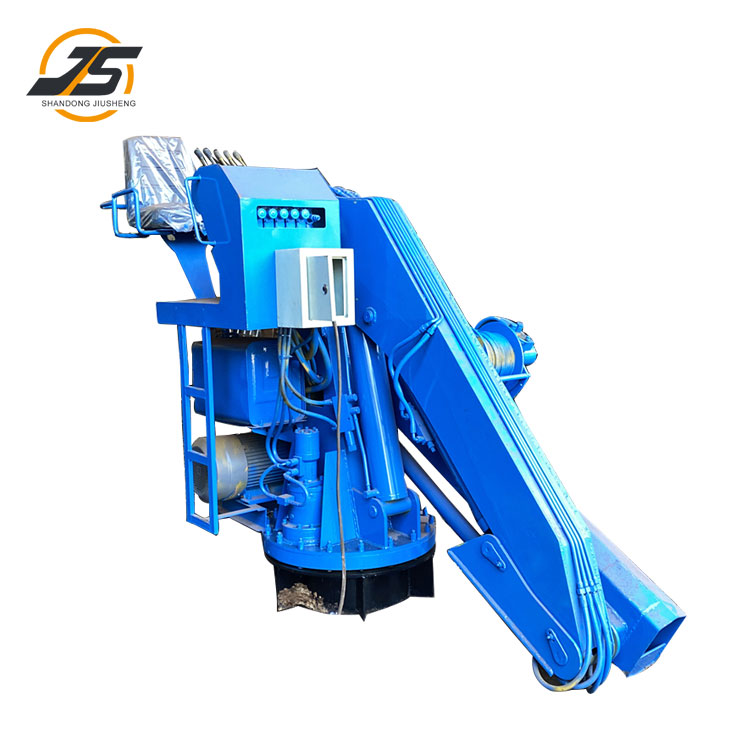
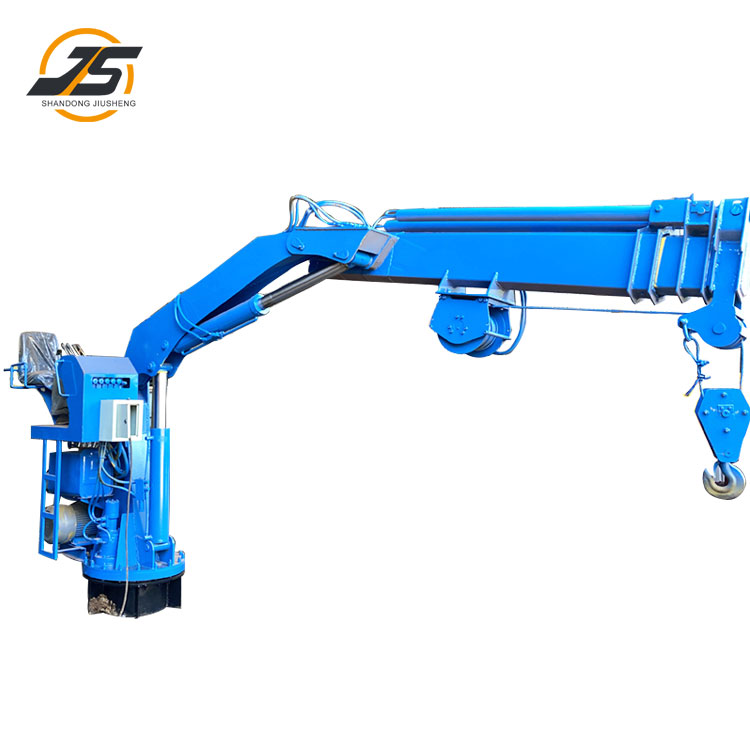
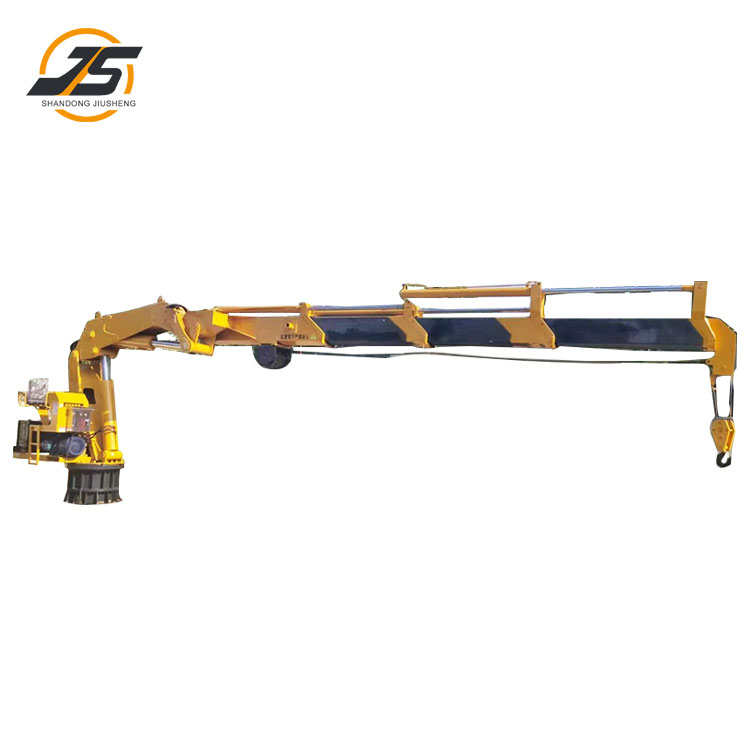
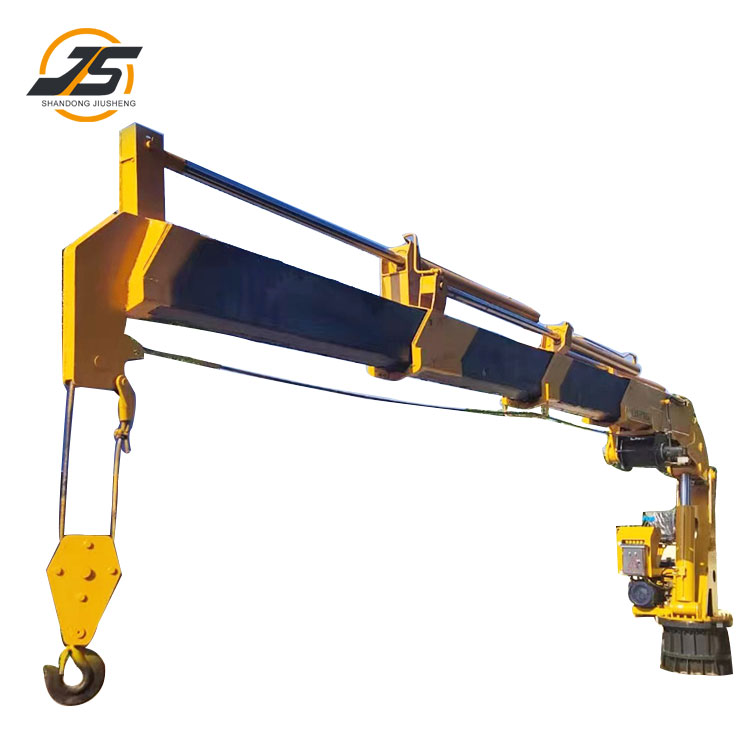
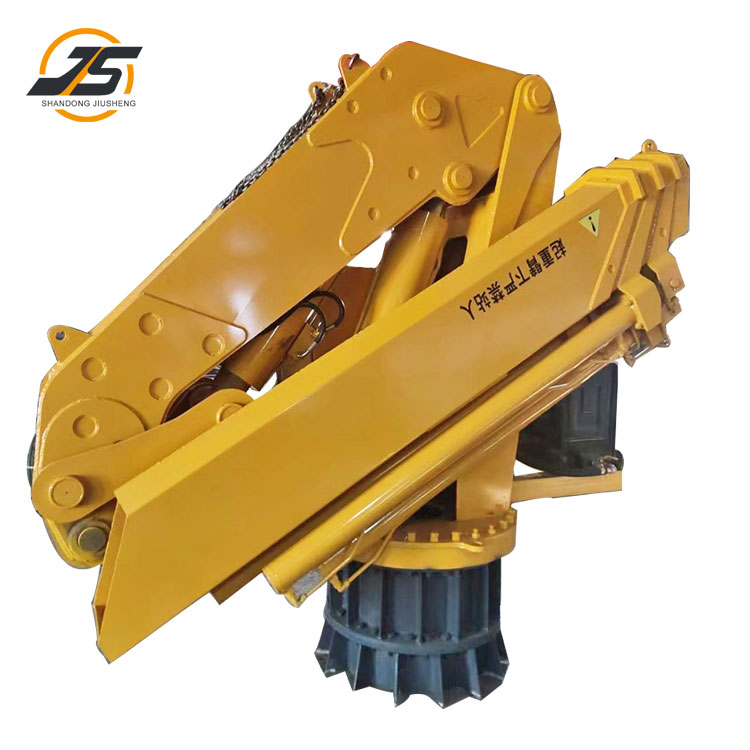
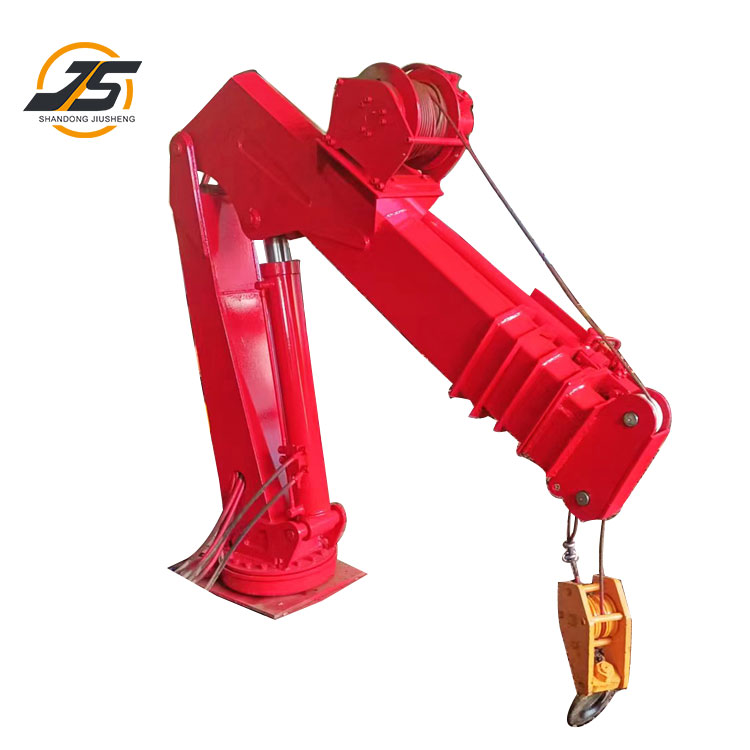
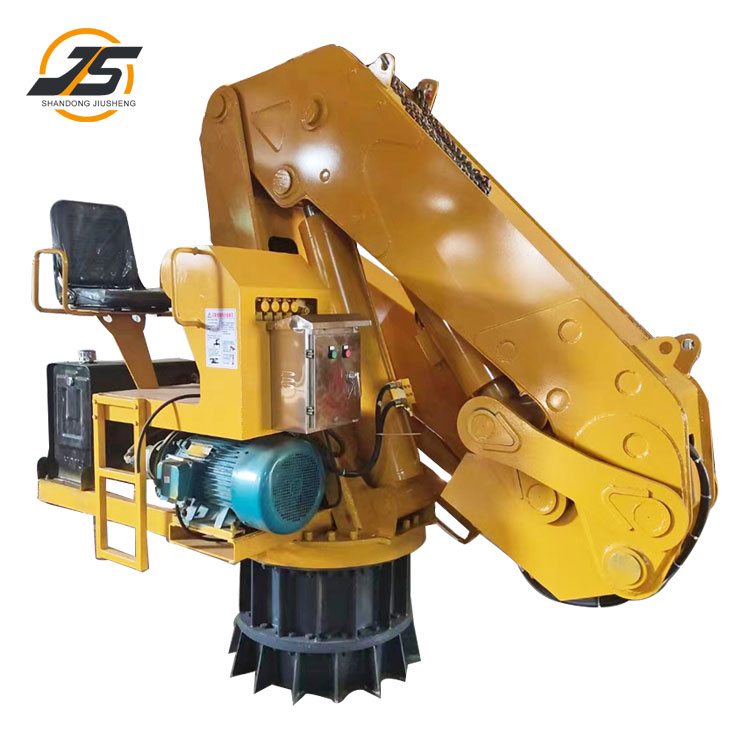
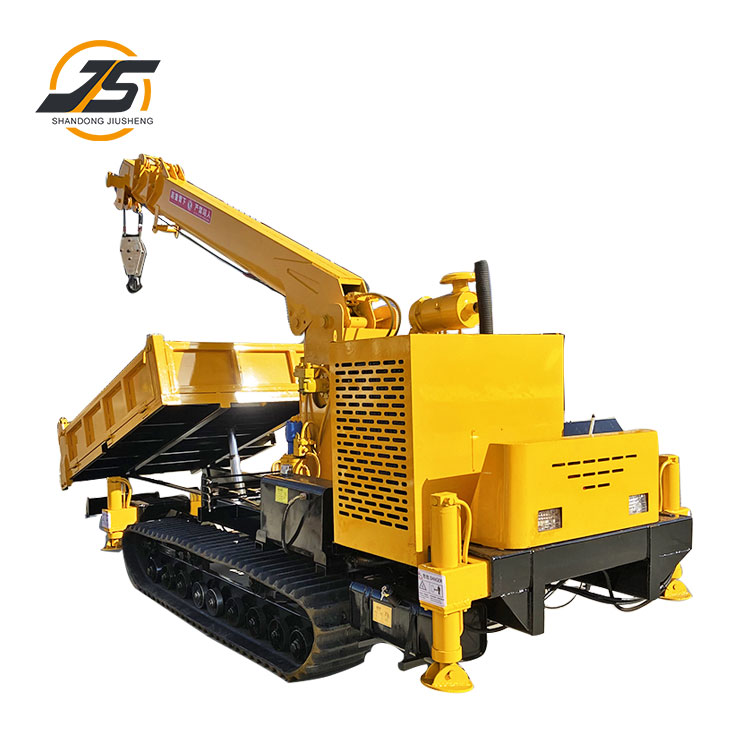
5T Hydraulic Straight Boom Truck Mounted Crane
1130truck crane Product introductionProduct parameterData downloadProduct album A truck crane is a lifting device permanently or detachably mounted onto a truck chassis. Unlike a conve...
View detailsSearch the whole station Marine cranes PRODUCTS
| truck crane |
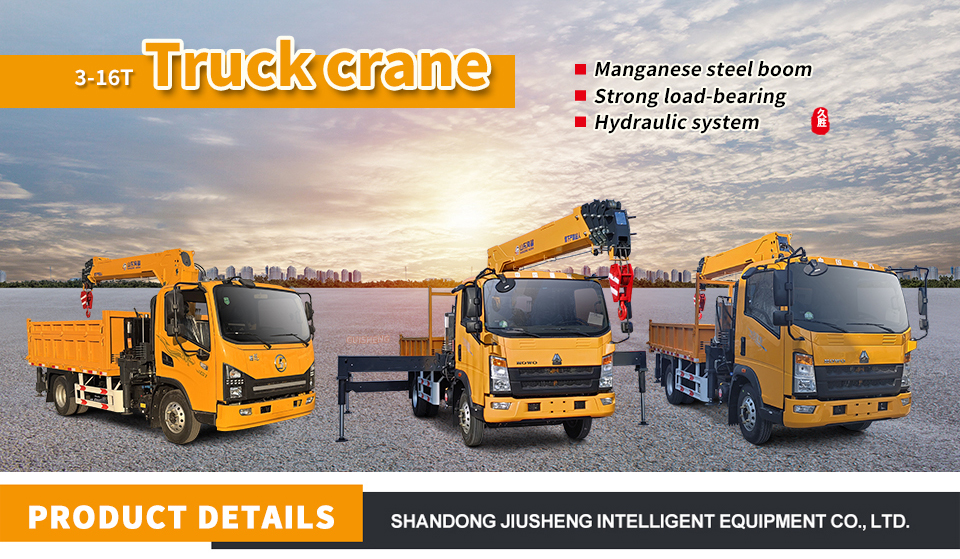
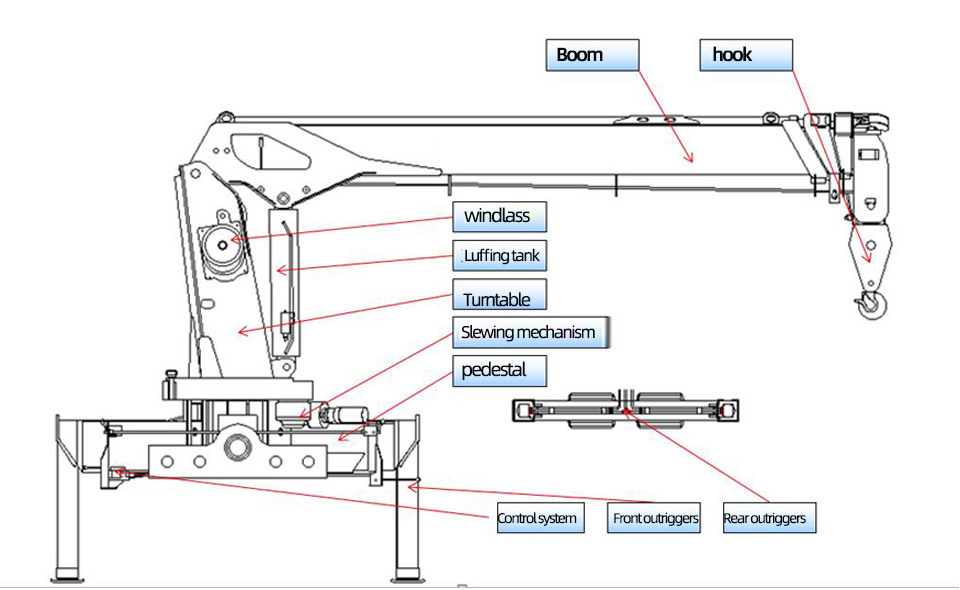
Truck cranes can be divided into several common configurations:
Articulating (knuckle‑boom) truck cranes – The boom has one or more hinge points, allowing it to fold like a finger. This design offers excellent flexibility and reach around obstacles.
Telescopic boom truck cranes – The boom extends and retracts in straight sections, providing greater vertical lift height and simpler load charts.
Fixed‑cab truck cranes – The crane is mounted behind the cab on the same chassis, with the operator controlling the crane from a separate station.
Pick‑and‑carry cranes – A specialized type designed to lift a load and then drive with it, often used in precast concrete yards and steel service centers.
Load capacities for truck cranes range from as little as 2 tons for light‑duty units up to 100 tons or more for heavy industrial models. The truck chassis can be a standard rigid truck, a tractor unit (with a semi‑trailer), or an all‑terrain chassis with driven axles for off‑road capability.
Advantages of Truck Cranes
Road‑legal mobility without permits (in most cases)
The most significant advantage of a truck crane is its ability to drive on public highways at normal traffic speeds. Unlike crawler cranes or large mobile cranes that require low‑loader transport and escort vehicles, most truck cranes can move independently between job sites. This reduces transport costs, eliminates the need for specialized trailers, and shortens project turnaround times.
Rapid setup and operational readiness
Modern hydraulic truck cranes can be deployed in minutes. Once the truck reaches the job site, the operator stabilizes the vehicle by extending outriggers — a process that takes less than two minutes with automatic leveling systems. The boom can then be raised, extended, and rotated to begin lifting. This speed is invaluable for emergency repairs, utility work, and time‑sensitive construction tasks.
Excellent maneuverability and compact footprint
Even a truck crane carrying a 30‑ton capacity typically has an overall length of 8‑12 meters and can turn within the radius of a long truck. This allows it to operate in urban environments, narrow factory yards, and residential construction sites where a larger crawler or all‑terrain crane simply cannot fit. The truck’s multiple axles also provide better weight distribution, reducing ground pressure.
Versatility through interchangeable attachments
Most truck cranes are designed to accept a range of lifting accessories: hooks, lifting magnets, concrete buckets, clamshell grabs, pallet forks, and personnel baskets (when properly certified). This single machine can therefore replace multiple specialized pieces of equipment. Some models even allow the crane to be demounted, freeing the truck for standard cargo duties.
Cost‑effectiveness over dedicated cranes
For small to medium lifting tasks (e.g., up to 50 tons), a truck crane is significantly less expensive to purchase and maintain than a dedicated crawler crane or a large rough‑terrain crane. The truck chassis is manufactured in high volumes, and the crane superstructure is modular. Moreover, the operator does not need a separate transport vehicle, saving one driver and one trailer.
All‑terrain capability (with appropriate chassis)
While basic truck cranes are designed for paved surfaces, many are built on all‑wheel‑drive (6×6 or 8×8) chassis with high ground clearance, enabling them to work on unpaved construction sites, gravel yards, and even muddy terrain. This makes them suitable for wind turbine maintenance, power line construction, and rural infrastructure projects.
High lifting capacity for the vehicle size
Modern engineering allows a relatively compact truck crane to lift astonishing loads. For example, a 4‑axle truck crane rated at 70 tons can often lift its maximum load at a short radius while remaining within legal axle weight limits — a performance that would have required a much larger specialized crane just a decade ago.
Ease of maintenance and parts availability
Because the truck chassis uses standard commercial components (engine, transmission, axles, tires), maintenance can be performed by any qualified truck mechanic. The hydraulic crane part is also modular, with most manufacturers offering global parts support. This reduces downtime compared to exotic imported cranes.
Product introductionProduct parameterData downloadProduct album 6 ton Marine crane, quay crane Ship crane is a Marine crane product manufactured by welding processing technology, also known as dock crane, crane…
What kinds of machinery are commonly used in engineering? How many kinds of excavators are there? What are the graders? According to what is the classification of the roller? Today, we sorted out the types and use characteristics of the sit…
loading…
已经是到最后一篇内容了!
The specific price in the product details page shall be subject to the price on the order settlement page or the actual transaction price reached after you contact the merchant; If you find the price or information of the event is abnormal, it is recommended to consult the merchant before purchase.
About placing orders
Please contact customer service to communicate the required configuration, confirm the spot or customized product specifications, and reach a purchase/customization agreement.
About delivery
Delivery time starts from the buyer’s payment time, except for uncontrollable factors in accordance with the time agreed by the contract.
About signing
When you sign, you need to sign or entrust a third party to sign, please carefully check whether the product bump, performance has no fault, if there is a problem, please contact after-sales customer service; If no inspection, if any loss must be borne by the customer.
Product introductionProduct parameterData downloadProduct album 3tons 5 tons Crawler crane, quay crane Crawler crane, also known as crawler crane, is a small crane made of rubber crawler chassis, which is desig…
loading…
已经是到最后一篇内容了!
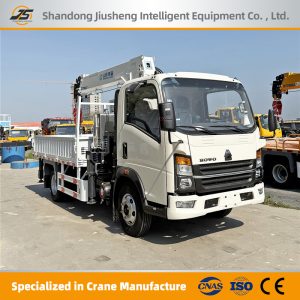
truck crane Product introductionProduct parameterData downloadProduct album A truck crane is a lifting device permanently or detachably mounted onto a truck chassis. Unlike a conve...
View details